
Regenerative Medicine
Platelet-rich plasma therapy uses your own biology to drive tissue repair. Whether you're an athlete pushing through a nagging injury or an active adult in West Hartford, CT looking to avoid surgery, PRP offers an evidence-based alternative without the allogeneic products sold at unregulated clinics.
How PRP actually works
PRP begins with a standard blood draw. That sample is centrifuged to concentrate your platelets to 3-8 times their baseline level, roughly 500,000 to 2,000,000 platelets per microliter, compared to the normal 150,000-400,000. That concentration matters: it's what drives the growth factor cascade that produces a therapeutic effect.
When injected into damaged tissue, platelet alpha granules release a suite of growth factors: PDGF (platelet-derived), TGF-β, VEGF, IGF-1, HGF, and EGF. These signals recruit local stem cells, promote angiogenesis, and initiate matrix remodeling. This isn't a temporary anti-inflammatory effect, it's a biological repair signal.
Preparation type matters clinically. LP-PRP (leukocyte-poor) is lower in inflammatory white cells and is preferred for intra-articular injections like the knee, where excess inflammation can worsen symptoms. LR-PRP (leukocyte-rich) preserves more white cells and is better suited for tendon injuries, where the inflammatory phase is necessary for healing.
All injections are performed under ultrasound guidance to ensure accurate placement. This is not optional, needle position directly affects efficacy.
Your Own Cells
Autologous, drawn, processed, and injected same-day from your own blood. No donor material, no rejection risk.
Ultrasound-Guided
Every injection is placed under real-time imaging. Blind injections are less accurate and less effective.
Evidence-Based Candidacy
Not everyone is a candidate. Dr. Knopp will tell you honestly whether the evidence supports PRP for your specific condition.
No Surgery Required
An outpatient procedure performed in the office. No general anesthesia, no recovery restrictions beyond a few days of reduced activity.
Where the evidence is strongest
PRP is not a universal treatment. These are the conditions where the literature supports its use, with honest appraisals of what to expect.
Knee Osteoarthritis
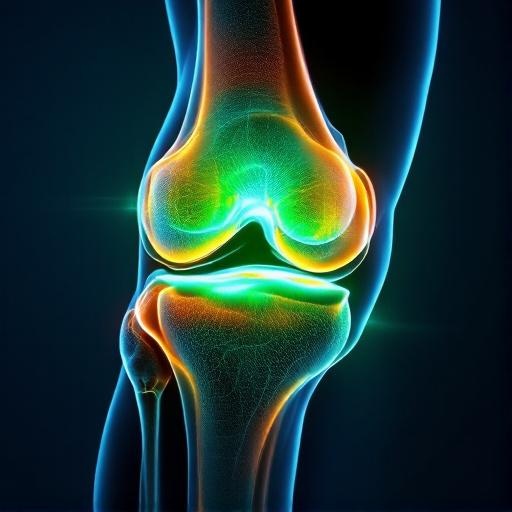
Multiple independent meta-analyses have confirmed PRP superiority over both hyaluronic acid and corticosteroid injections at 6 and 12 months for Kellgren-Lawrence grade I-III osteoarthritis. Grade I-II knees show roughly 75% meaningful improvement; the overall figure across grades I-III runs 60-70%. Benefit typically lasts 12-18 months before retreatment is considered. LP-PRP is used here, leukocyte-rich preparations in the joint can provoke unnecessary inflammation.
Tendinopathy, Lateral Epicondyle, Achilles, Plantar Fascia
For lateral epicondylitis (tennis elbow), a randomized controlled trial by Gosens et al. showed 73% sustained improvement with PRP versus 49% with corticosteroid at one year, and steroid patients continued to deteriorate past 6 months while PRP patients maintained gains. Achilles tendinopathy responds better at the mid-portion than the insertional; the evidence there is moderate. Plantar fasciitis shows no short-term advantage over steroid, but at 3-6 months PRP consistently outperforms. LR-PRP is preferred for tendons, where some inflammatory signaling aids the healing process.

Rotator Cuff, Partial Thickness Tears
For partial-thickness rotator cuff tears, LP-PRP has demonstrated meaningful clinical improvement and, when used as an adjunct to surgical repair, reduces re-tear rates significantly, 15.2% versus 34.1% in comparative studies. Full-thickness complete tears are not a PRP indication. The evidence supports partial tears specifically, particularly in patients who wish to avoid surgery or augment a repair.
The honest timeline
PRP works slowly, because it's biology, not a steroid. Patients who expect to feel better within a week are going to be disappointed. Here's what actually happens.
Honest success rates
Across well-selected patients, approximately 60-70% achieve meaningful, sustained improvement. Grade I-II knee OA does better, closer to 75%. These are not cure rates. PRP improves symptoms and function; it does not regenerate cartilage visible on MRI.
NSAID restriction
Avoid ibuprofen, naproxen, aspirin, and all NSAIDs for 2-4 weeks post-injection. NSAIDs suppress the platelet-driven inflammatory cascade, the exact mechanism you are paying to activate. This is not optional guidance.
FDA status & cost
PRP is FDA-compliant as an autologous, same-day, minimally manipulated preparation , not the allogeneic "stem cell" products sold at unregulated clinics. However, it is not FDA-approved for orthopedic indications and is not covered by insurance. Private pay only. See pricing below.
PRP pricing
PRP is not covered by insurance. All regenerative procedures are private pay with transparent, upfront pricing. Your journey starts with an evaluation. If PRP is appropriate, injection sessions are scheduled separately.
PRP Injection Session
$1,250 - $3,000
Per injection session. Final cost depends on the number of regions treated, preparation complexity, and whether single or multiple structures are injected. Pricing is discussed at your evaluation, never after.
Initial Evaluation
$450 (60 min)
Required before any PRP procedure. Includes imaging review, biomechanical assessment, candidacy determination, and OMT if appropriate. You will know whether PRP is right for you before any injection is scheduled.
PRP is FDA-compliant as an autologous preparation but not FDA-approved for orthopedic indications. No insurance coverage. Payment is due at time of service.
Who benefits, and who doesn't
Good candidates
- Knee OA grade I-III with documented cartilage loss but intact joint space
- Chronic tendinopathy unresponsive to physical therapy and conservative care
- Partial-thickness rotator cuff tear seeking non-surgical management
- Patients wanting to delay surgery and able to tolerate a 6-8 week lag before improvement
- Platelet count ≥ 150,000/μL; no active systemic illness
Not appropriate for
- Grade IV bone-on-bone osteoarthritis, joint replacement is the appropriate intervention
- Full-thickness complete tendon or ligament tears requiring surgical repair
- Active malignancy or history of blood cancer
- Active local or systemic infection at the time of injection
- Uncontrolled diabetes (impairs platelet function and tissue healing capacity)
Getting back to your sport
You've done the PT. You've rested. The pain keeps coming back. For athletes 18-40 dealing with chronic tendon and joint injuries, PRP targets the tissue damage that conservative care can't resolve.
Repetitive training creates repetitive injury patterns. Patellar tendinopathy from jumping and squatting, lateral epicondylitis from gripping and pulling, Achilles tendinopathy from running volume, rotator cuff strain from overhead pressing and throwing. These are structural problems, the tendon itself is damaged, and no amount of eccentric loading or rest will regenerate collagen that's already degenerated.
PRP delivers concentrated growth factors directly to the injury site. For lateral epicondylitis, a randomized trial (Gosens et al.) showed 73% sustained improvement with PRP versus 49% with cortisone at one year, and the cortisone group continued to deteriorate while the PRP group held their gains. For athletes, that difference between 6-month relief and 12+ month improvement is the difference between managing an injury and actually fixing it.
Cortisone works fast but weakens tissue over time. PRP works slowly, 4 to 8 weeks before you notice improvement, but it's driving actual repair. For athletes who need their tendons to hold up under load, that distinction matters.
Tendon Repair, Not Masking
PRP stimulates collagen synthesis and matrix remodeling. Cortisone suppresses inflammation but weakens the tendon with repeated use.
Faster Return to Load
Most athletes resume modified training at 2 weeks and full activity by 6-8 weeks. No surgical recovery, no prolonged immobilization.
Outpatient, Same-Day
Blood draw, centrifuge, ultrasound-guided injection. Done in one office visit. No OR, no anesthesia, no downtime beyond a few days.
Evidence Over Hype
Dr. Knopp will tell you if PRP is appropriate for your injury. Not every tendon problem is a PRP problem, candidacy screening matters.
Stay active without surgery
Your orthopedist says it's time for a knee replacement. You're not ready. PRP therapy can buy meaningful time, reducing pain, improving function, and keeping you on the golf course, the hiking trail, or the tennis court.
Knee osteoarthritis progresses. For Kellgren-Lawrence grade I-III, the evidence strongly supports PRP over both hyaluronic acid and cortisone injections at 6 and 12 months. Grade I-II knees show roughly 75% meaningful improvement. Even grade III responds, approximately 60-70% of well-selected patients achieve sustained symptom relief lasting 12-18 months before retreatment is considered.
Repeated cortisone injections are the standard recommendation, but each injection carries diminishing returns and potential cartilage toxicity. PRP doesn't suppress inflammation, it redirects the biological environment toward repair. For active adults who depend on their knees for daily function, that distinction between temporary suppression and tissue-level improvement matters.
This is not a cure. PRP does not regenerate cartilage visible on MRI. What it does is improve the pain, stiffness, and functional limitation that keep you from doing what you want to do, and it delays the conversation about joint replacement by months or years.
Delay Joint Replacement
For KL grade I-III, PRP can push the surgery timeline back by years, keeping you active on your terms.
Outperforms Cortisone Long-Term
Meta-analyses confirm PRP superiority over cortisone at 6 and 12 months. No cartilage toxicity risk from repeated injections.
12-18 Month Benefit Window
Peak improvement at 3-6 months, sustained benefit for 12-18 months. Retreatment when needed, not on a fixed schedule.
Honest Expectations
Not everyone is a candidate. Grade IV bone-on-bone OA needs surgery, not PRP. Dr. Knopp will review your imaging and tell you directly.
Why PRP works better with OMT
PRP repairs damaged tissue. But if the biomechanical dysfunction that caused the damage is still present, pelvic obliquity loading one knee unevenly, scapular dyskinesis stressing a rotator cuff, restricted thoracolumbar motion shifting load to the lumbar spine, the tissue will break down again. OMT identifies and corrects those structural problems.
The combination is straightforward: OMT addresses the root cause, PRP repairs the consequence. Patients who receive both tend to respond faster and maintain their improvement longer because the repaired tissue isn't immediately subjected to the same mechanical forces that damaged it in the first place.
Fix the Cause + the Damage
OMT corrects alignment and motion restrictions. PRP heals the tissue. Together, they address both sides of the problem.
Longer-Lasting Results
When the mechanical environment is corrected, PRP-repaired tissue stays repaired. Less retreatment, better long-term outcomes.
Is regenerative medicine right for you?
Candidacy requires a clinical evaluation , imaging review, exam, and a direct conversation about what the evidence does and doesn't support for your specific situation. Dr. Knopp's office is located in West Hartford, CT. Contact us to schedule.
Schedule an Evaluation