Play 18 without paying for it the next morning
PRP, OMT, and interventional pain care for Connecticut golfers. Dr. Hans Knopp, DO treats the low back, lead hip, elbow, shoulder, and knee problems that shorten your season and your swing. Amateurs, seniors, club competitors, and former college players. West Hartford office, evaluations within a week.
A pain physician who understands the swing
Golf looks gentle and is not. The swing is a fast, asymmetric rotation repeated across a full round, and it produces a predictable injury profile: low back pain from a lumbar spine forced to rotate for a stiff thoracic spine and lead hip, medial and lateral epicondylitis at the elbow, lead-shoulder rotator cuff wear, and knee arthritis that flares on the walk. Low back pain is the single most common golf complaint, reported by roughly 15 to 35 percent of golfers and far higher in players who compete and practice heavily. Most of these problems do not need surgery. They need an accurate diagnosis of the driver, not just the site of pain.
Dr. Knopp built a concierge pain practice for exactly this kind of patient. Direct phone access, full-length evaluations, hands-on osteopathic care, and PRP regenerative therapy in the office. When fluoroscopy or sedation is needed for an interventional procedure (epidural, RFA, nerve block, Sprint PNS), he performs them at Hartford HealthCare. Same physician across both settings.
Board-certified, dual specialty
ABPMR in Physical Medicine & Rehabilitation plus Pain Medicine. 25 PubMed citations.
Evaluations within a week
No three-month wait list. If the season or a golf trip is close, the eval needs to happen now.
Direct line to your doctor
Concierge model. No call center, no triage nurse. Reach Dr. Knopp's team directly at (860) 325-2869.
What Dr. Knopp treats for golfers
A focused, evidence-based approach. Many of these conditions respond to ultrasound-guided PRP injection, often combined with osteopathic manipulation to restore the mobility the swing actually needs.
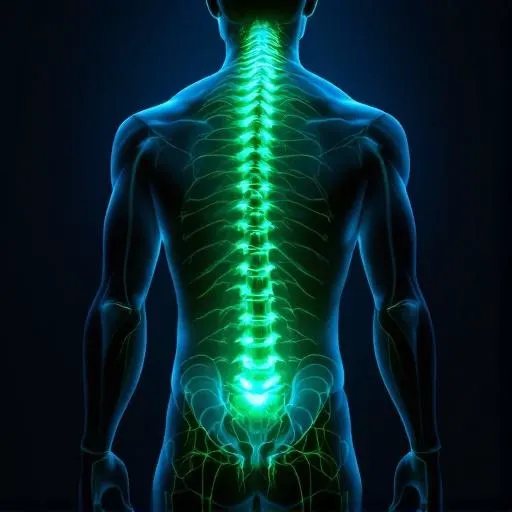
Golf back pain & lumbar facet overload
The most common golf injury by a wide margin. When the thoracic spine and lead hip do not rotate enough, the lumbar spine absorbs the rotation it was never built for, and the pain shows up on the back nine. Dr. Knopp finds the actual restricted segment, treats facet-mediated pain with OMT and targeted injection, and reserves radiofrequency ablation for confirmed chronic facet pain. See why your back hurts after 18 holes.
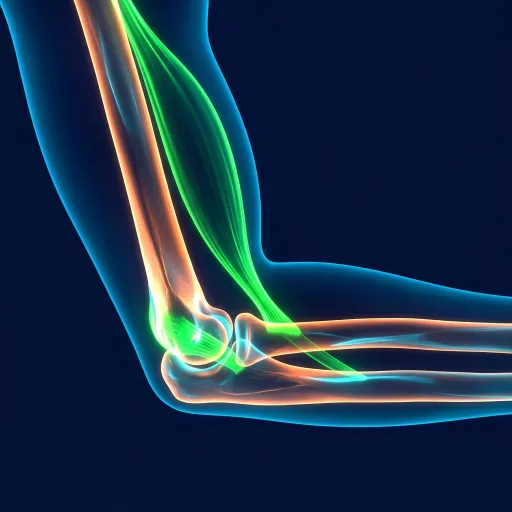
Golfer's & tennis elbow (epicondylitis)
Medial epicondylitis (golfer's elbow) and lateral epicondylitis are chronic tendon-origin problems, not simple inflammation. Cortisone helps for a few weeks and fades; for pain that has lasted months, LR-PRP to the common tendon origin under ultrasound has better long-term results in randomized trials. See PRP for tennis elbow.
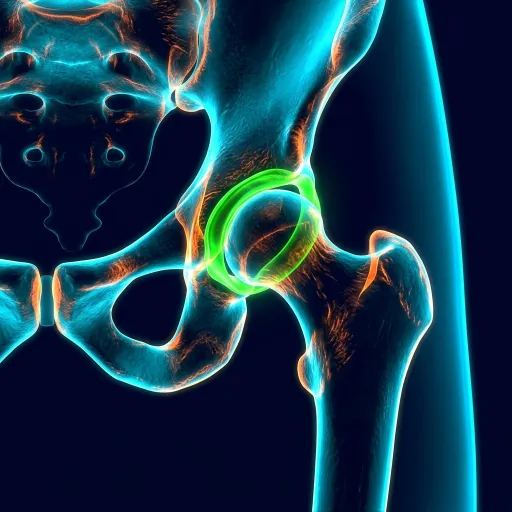
Lead-hip stiffness & FAI
Reduced lead-hip internal rotation is one of the best-documented findings in golfers with low back pain. Femoroacetabular impingement (cam, pincer, mixed) and a tight posterior capsule keep the pelvis from clearing, so the lumbar spine over-rotates to compensate. Dr. Knopp treats the hip capsule and iliopsoas with OMT and uses intra-articular LP-PRP for labral irritation that is not a surgical candidate.
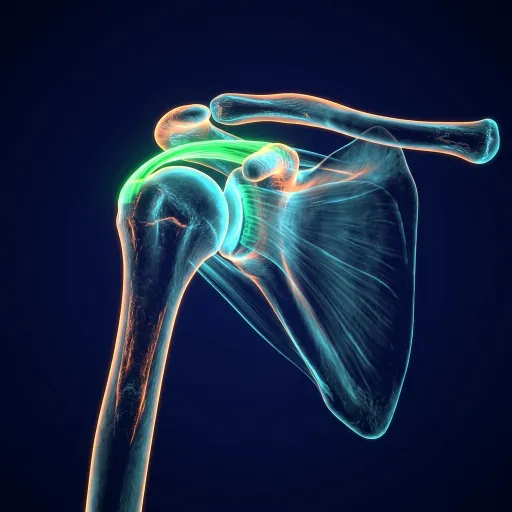
Lead-shoulder rotator cuff & labrum
The lead shoulder takes repetitive load through the top of the backswing and into follow-through. Partial-thickness rotator cuff tears, supraspinatus tendinopathy, and partial labrum tears often respond to ultrasound-guided PRP, which can defer or replace arthroscopic repair. Full-thickness tears need surgical evaluation. See PRP for rotator cuff tears.
Knee osteoarthritis on the walk
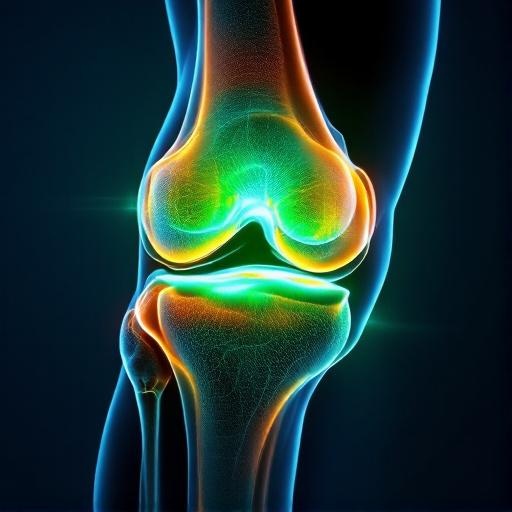
Walking 18 with a cart-optional course is hard on an arthritic knee. For mild-to-moderate osteoarthritis, current meta-analyses favor leukocyte-poor PRP over hyaluronic acid or cortisone for pain and function. It is not a cure, but for the right knee it buys comfortable rounds. See PRP for knee osteoarthritis.
Wrist & hand tendinopathy
The lead wrist absorbs impact at the bottom of every swing, and mishits and heavy rough magnify it. Lead-wrist tendinopathy, ulnar-sided wrist pain, and hamate irritation are common. Dr. Knopp confirms the pain generator under ultrasound and treats chronic tendinopathy that has not responded to rest and bracing.

Why PRP fits golf injuries
PRP is your own platelets concentrated several times above baseline and injected into damaged tissue under ultrasound guidance. The growth factors released (PDGF, TGF-β, VEGF, IGF-1) recruit local repair cells, drive new blood-vessel growth, and start matrix remodeling. For golfers, the fit is specific: most chronic elbow, shoulder, hip, and knee problems respond to a biological repair signal better than to repeated cortisone, which can weaken tendon over time, or to surgery, which takes you off the course for months.
Preparation matters clinically. Dr. Knopp uses LP-PRP (leukocyte-poor) for intra-articular work like the knee and hip joint where excess inflammation is counterproductive, and LR-PRP (leukocyte-rich) for tendon work like epicondylitis where the inflammatory phase is part of healing. All injections are performed under live ultrasound. Needle position directly affects results, and a blind injection is not appropriate care for a competitive golfer.
Typical recovery timeline: 4 to 6 weeks for a tendon healing response, back to swing drills at 6 to 8 weeks, and a full return for most upper-body work at 10 to 12 weeks. Joint and labrum work runs longer. Dr. Knopp builds the timeline around your golf calendar.
Built for the CT golf community
The Farmington Valley is dense with golf, and Dr. Knopp's office at 61 S Main St in West Hartford sits in the middle of it. The practice serves the full range of players: club members chasing a handicap, seniors who want to keep walking 18, junior and college competitors, and the weekend player whose back has quietly gotten worse every season.
Farmington Valley clubs
Hop Meadow Country Club in Simsbury, Tumble Brook Country Club in Bloomfield, and Wintonbury Hills in Bloomfield are all within a short drive. Private-club members with a nagging swing injury are a core part of the practice.
Public and municipal courses
Simsbury Farms Golf Club, Tunxis Plantation in Farmington, and Rockledge in West Hartford keep the area busy from spring through fall. High-volume public play means high-volume overuse injuries.
Senior and year-round golfers
Many Connecticut golfers head south for winter golf and come back with a flare. Knee arthritis, chronic low back pain, and elbow tendinopathy are the conditions that most often limit the senior player, and all three have real non-surgical options.
Junior and college players
High-volume junior and college golfers develop the same lead-hip and thoracic restrictions as adults, earlier. Catching a swing-driven overload before it becomes a stress injury is far easier than treating it after.
What it costs
This is a private-pay practice. Dr. Knopp does not bill insurance, Medicare, or Medicaid for office visits. Pricing is published upfront, with no surprise bills. HSA and FSA accepted. Interventional procedures performed at Hartford HealthCare (epidurals, RFA, nerve blocks) are billed through the hospital and may be covered by your insurance separately.
Initial evaluation: $450
60 minutes. Full musculoskeletal and swing-chain exam, imaging review, OMT if appropriate, treatment plan. Bring any MRI or CT discs.
Follow-up visit: $250
30 minutes. OMT, treatment plan adjustment, progress evaluation. Many in-season players are seen every 2 to 4 weeks during active treatment.
PRP injection: $1,250 to $3,000
Per session. Range reflects single-site vs multi-site preparation and ultrasound guidance complexity. Estimate provided at evaluation.
Common questions from CT golfers
My back only hurts on the back nine. Is that a disc problem?
Usually not. Back-nine pain that eases with rest is the classic pattern of a mechanical overload, not a disc. When the thoracic spine and lead hip do not supply enough rotation, the lumbar segments absorb the difference on every swing, and the pain builds as fatigue accumulates. Dr. Knopp examines the full swing chain to find the actual restricted segment before treating the back where the pain is felt. The back pain after 18 holes post walks through the mechanics.
Can PRP help my golfer's elbow if cortisone wore off?
Often, yes. For medial and lateral epicondylitis, cortisone tends to help in the first month and then fade, while randomized-trial evidence favors PRP for longer-term pain relief and function past six months. Dr. Knopp injects the common tendon origin under ultrasound guidance and pairs it with load management so the tendon is not re-aggravated the next weekend.
I have knee arthritis and I want to keep walking 18. What are my options?
For mild-to-moderate knee osteoarthritis, current meta-analyses favor leukocyte-poor PRP over hyaluronic acid or cortisone for pain relief and function. It is not a cure for advanced arthritis, but for the right knee it can extend how many rounds you get comfortably. Dr. Knopp reviews your imaging and grades the arthritis before recommending it.
Do you take my insurance?
No, this is a private-pay practice. Dr. Knopp does not bill insurance, Medicare, or Medicaid for office visits or OMT. Pricing is transparent. HSA and FSA accepted. If you need a procedure performed at Hartford HealthCare (epidural, RFA, nerve block, Sprint PNS), those are billed through the hospital and your insurance may cover them separately.
The season is starting soon. How fast can I get seen?
Most patients are seen within a week of calling. If you have a competitive or travel-golf deadline, mention it when scheduling. Dr. Knopp builds the treatment timeline around your calendar; there is a meaningful difference between the right answer in six months and the right answer in three weeks, and a good plan respects both.
Ready to be evaluated
Most golf patients book within a week. Initial evaluation is $450 for a 60-minute visit. Bring any imaging on a disc; MRI is especially helpful if you have one.
Office: 61 S Main St, Suite 308, West Hartford, CT 06107
Hours: Mon to Fri 8:00 AM to 5:00 PM