Physiatrist in West Hartford, CT
A physiatrist is a board-certified physician specializing in physical medicine and rehabilitation, dedicated to restoring function and quality of life without surgery.
What a physiatrist actually is
Physical Medicine and Rehabilitation (PM&R) is a recognized medical specialty. Its purpose is function, not just pathology.
Physical Medicine and Rehabilitation, commonly abbreviated as PM&R, is a medical specialty recognized by the American Board of Medical Specialties. Physiatrists are physicians who complete a four-year residency in PM&R after medical school, training specifically in the diagnosis and non-surgical management of musculoskeletal, neurological, and pain disorders. The core objective of the specialty is to restore and optimize physical function and performance.
A physiatrist treats the whole patient, not just the isolated pathology. The diagnostic process integrates detailed neuromuscular and musculoskeletal examination with advanced imaging and electrodiagnostic studies to identify the precise source of pain or dysfunction. Treatment plans are then designed to address the root cause while simultaneously working to restore strength, mobility, and independence.
PM&R residency training provides a distinct clinical perspective focused on biomechanics, functional anatomy, and the physiology of recovery. This training differs fundamentally from other specialties by emphasizing how an injury or illness affects a person's ability to move, work, and perform daily activities. The physiatrist's role is to lead a comprehensive, non-surgical care plan that guides the patient from diagnosis through full functional restoration.
Non-Surgical Specialty
PM&R diagnoses and manages musculoskeletal, nerve, and pain conditions without surgery, directing the full arc from injury to recovery.
Electrodiagnostic Training
EMG and nerve conduction studies localize and characterize nerve injury, a core competency of PM&R that most specialties do not carry.
Dual Board Certified
Dr. Knopp is board-certified in both PM&R (ABPMR) and Pain Medicine, with fellowship training completed at UPMC.
Transparent Pricing
Initial visit: $450 (60 min) · Return visit: $250 (30 min)
Cash-pay concierge practice, no insurance billing
How a physiatrist differs
Several types of provider treat musculoskeletal and pain conditions. The differences in training and scope matter for your outcome.
Non-surgical, function-focused
An orthopedic surgeon is trained to operate on bones, joints, and soft tissues, with a practice centered on operative intervention. The physiatrist is a non-surgical specialist who diagnoses the full spectrum of musculoskeletal and nerve injuries and directs the entire rehabilitation process, from initial injury management through the final stages of functional recovery. Many patients benefit from a physiatrist's evaluation before a surgical decision is made, and from their guidance during post-surgical rehabilitation.
Full medical license & scope
A physiatrist holds a full, unrestricted medical license and has completed medical school and a four-year residency, a fundamentally different training pathway from chiropractic education. This license authorizes the physiatrist to order and interpret advanced diagnostic studies including MRI, CT, and electrodiagnostic testing, and to prescribe medication when clinically indicated. The scope encompasses medical management of the entire neuromuscular and musculoskeletal system, extending well beyond spinal manipulation.
Function and pain, together
Dr. Knopp's dual board certification in both PM&R and Pain Medicine distinguishes his practice from a physician who focuses solely on interventional pain procedures. While he is fellowship-trained in advanced interventional techniques, his PM&R foundation ensures every pain complaint is evaluated within the broader context of biomechanics and functional impairment. The goal is not simply to reduce a pain score, but to use precise diagnostics and targeted interventions to restore durable physical function.
What a physiatrist treats
A physiatrist is qualified to diagnose and treat a wide spectrum of conditions affecting the nerves, muscles, bones, and joints that impair function and cause pain.
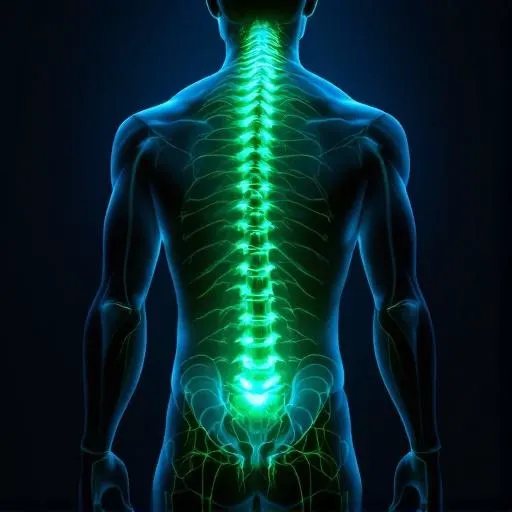
Back & Neck Pain with Radiculopathy
This includes acute and chronic spinal pain, disc herniations, spinal stenosis, and radicular pain that travels into the arms or legs. Diagnosis is refined through a detailed physical examination and, when necessary, electrodiagnostic studies to assess nerve root function. Treatment is directed at both the pain generator and the associated functional deficits.
Joint & Musculoskeletal Pain
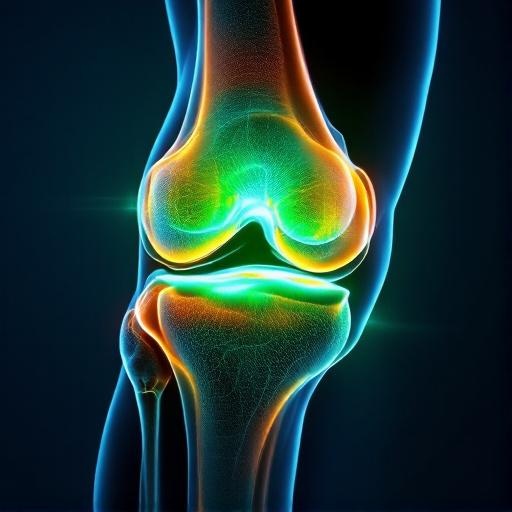
Physiatrists manage pain arising from large and small joints, including osteoarthritis of the hip, knee, and shoulder, as well as tendonitis and bursitis. The approach combines precise diagnosis, often with ultrasound guidance, and a treatment plan that protects the joint while restoring range of motion and strength.
Sports & Overuse Injuries
These injuries include stress fractures, tendinopathies, ligament sprains, and muscle strains that result from athletic activity or repetitive occupational stress. Management focuses on identifying the biomechanical cause of the injury, promoting tissue healing, and guiding a safe, structured return to full activity.

Nerve Injury & Neuropathic Pain
Conditions such as peripheral neuropathy, carpal tunnel syndrome, and complex regional pain syndrome fall within the physiatrist's core expertise. Electrodiagnostic testing, including electromyography and nerve conduction studies, is used to localize and characterize the nerve injury. Treatment integrates medication, therapy, and interventional procedures when appropriate.
Post-Injury & Post-Surgical Recovery
Physiatrists direct the rehabilitation process following fractures, joint replacements, ligament reconstructions, and other surgical procedures. The focus is on restoring mobility, strength, and task-specific function through a structured, medically supervised plan. This management bridges the gap between a successful surgery and a full return to daily life.

Chronic Pain & Myofascial Syndromes
This includes persistent pain conditions such as fibromyalgia, chronic myofascial pain, and failed back surgery syndrome. The physiatric approach identifies peripheral and central pain generators and employs a multimodal strategy that may include manual medicine, targeted injections, and a guided therapeutic exercise program to recalibrate the nervous system's pain response.

A physiatrist with subspecialty depth
Dr. Hans Knopp brings a level of subspecialty training and scholarly depth uncommon in a community-based practice, with dual board certification in PM&R and Pain Medicine and a rigorous fellowship completed at the University of Pittsburgh Medical Center. His clinical decision-making is informed by 25 peer-reviewed publications across interventional pain, rehabilitation, and osteopathic medicine.
The concierge micropractice model ensures a 60-minute initial visit and direct physician access, allowing the time necessary to fully characterize a complex problem and build a precise treatment strategy. This practice serves West Hartford, Connecticut and the surrounding area with a focused, evidence-based path to functional recovery.
Physiatrist FAQ
What is a physiatrist?
A physiatrist is a medical doctor who specializes in physical medicine and rehabilitation, a board-certified specialty focused on restoring function in patients with musculoskeletal, neurological, and pain disorders. Physiatrists complete a four-year residency after medical school and are trained to diagnose and treat these conditions without surgery.
What is the difference between a physiatrist and an orthopedist?
An orthopedist is a surgeon trained to operate on bones, joints, and soft tissues, while a physiatrist is a non-surgical specialist who diagnoses and manages these same conditions. The physiatrist focuses on restoring function through comprehensive rehabilitation, and often coordinates care before and after any necessary surgical intervention.
Do physiatrists do surgery?
No, physiatrists do not perform surgery. They are specialists in non-surgical care who use precise diagnostics, medications, therapy, injections, and other procedures to treat pain and restore function. If a surgical need is identified, the physiatrist refers the patient to the appropriate surgical colleague.
What conditions does a PM&R doctor treat?
A PM&R doctor treats a broad range of conditions affecting the nerves, muscles, bones, and joints, including back and neck pain, arthritis, sports injuries, nerve damage, and post-surgical recovery. They also manage chronic pain syndromes and complex functional impairments resulting from illness or injury.
Is a physiatrist the same as a PM&R doctor?
Yes, the terms are synonymous. Physiatrist is the commonly used title for a physician who is board-certified in the specialty of Physical Medicine and Rehabilitation, abbreviated as PM&R. Both refer to the same medical specialist with the same residency training and board certification.
See a physiatrist in West Hartford
A 60-minute initial consultation provides the time required for a complete diagnostic evaluation and a detailed, personalized treatment plan. Contact the practice directly to schedule a visit with Dr. Knopp.