Athletes need a different conversation than the typical orthopedic visit. The question is not just "what is wrong" — it is "how do I get back to my sport on a defined timeline without giving up the season." Dr. Hans Knopp, DO, is a board-certified pain physician serving Farmington Valley adult, masters, and youth athletes with non-surgical sports medicine: detailed biomechanical diagnosis, image-guided regenerative care, osteopathic manipulative treatment, and structured return-to-play planning.
Farmington, Avon, Plainville, and Bristol are dense with recreational athletes — runners on the rail trail, cyclists on the Farmington River loop, golfers at Tunxis, lacrosse and soccer at the high schools, masters tennis at the racquet clubs, and a substantial pickleball population. Each sport produces its own injury pattern. A pain physician who treats athletes well speaks the language of the sport, not just the language of the tissue.
Complete ACL ruptures in active athletes typically warrant surgical reconstruction, particularly when concurrent meniscal damage or rotational instability is present. The role of non-surgical sports medicine is in the partial ACL tear, the isolated MCL sprain (the most common ski injury), the LCL sprain, and the recovery and pre-habilitation around any of the above. Bracing, structured rehab, and image-guided PRP for partial-thickness ligament injuries can avoid surgery entirely in select cases. For surgical cases, pre-hab improves post-op outcomes meaningfully.
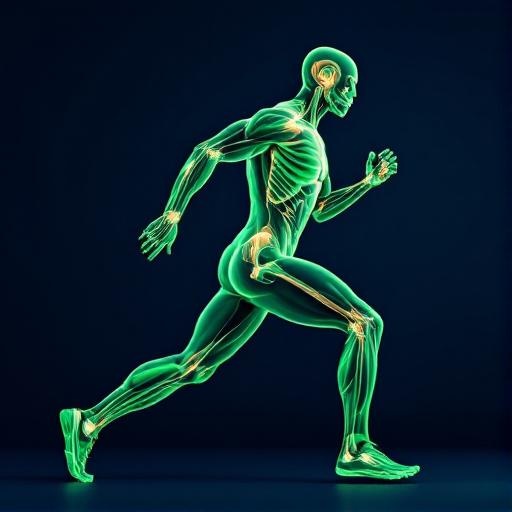
The most common shoulder problem in masters tennis, swimmers, throwers, and CrossFit athletes. Most rotator cuff issues in adults under 60 are not full-thickness tears requiring surgery; they are tendinopathy with secondary impingement, partial-thickness articular-side or bursal-side tears, and scapular dyskinesis driving the load. Treatment is structured eccentric rehab, scapular control work, posterior capsule mobility, OMT for thoracic and rib mechanics, and image-guided PRP for partial-thickness tears that have plateaued in rehab. Cortisone is reserved for short-term function preservation around a defined event.
Despite the names, both occur across many sports and in non-athletes from occupational load. The pathology is degenerative tendinopathy at the common extensor or flexor origin, not classical inflammation. The evidence has shifted strongly against cortisone here: faster short-term relief but worse 6 and 12 month outcomes than placebo or PRP. The right plan is structured eccentric rehab over 12 weeks, counterforce bracing for activity, OMT for cervical and elbow mechanics, and PRP for cases that plateau. Tennis players also benefit from a stringing and grip-size review.
Runner's knee (patellofemoral pain syndrome) is anterior knee pain at or behind the kneecap, worst on stairs and descending hills. Patellar tendinopathy (jumper's knee) is pain at the inferior pole of the patella in jumping athletes. Both are biomechanical problems requiring biomechanical solutions: hip abductor strength, VMO activation, gait or running form analysis, training load assessment, and (for tendinopathy) heavy slow resistance protocols sustained over 12 weeks. PRP is an effective adjunct for patellar tendinopathy that has plateaued in rehab.
Acute hamstring strains in sprinters, soccer players, and lacrosse players often re-injure when return-to-play is rushed. The criteria-based approach (full pain-free strength symmetry, progressive sprint loading, sport-specific drill completion) reduces re-injury substantially. Chronic high-hamstring tendinopathy at the ischial tuberosity is its own separate problem — common in distance runners, often misdiagnosed as sciatica — and responds well to heavy slow resistance rehab plus image-guided PRP at the proximal tendon.
Mid-substance Achilles tendinopathy is the runner's classic. Insertional tendinopathy is its closely related cousin with a different rehab progression. Both respond to structured eccentric loading (Alfredson protocol for mid-substance, modified for insertional) sustained over 12 weeks. PRP has a strong evidence base as an adjunct when rehab alone has plateaued. Plantar fasciitis is treated similarly with calf and intrinsic foot strengthening, plus PRP for chronic recalcitrant cases. Cortisone in the Achilles is contraindicated due to rupture risk.
Concussion management in youth and adult athletes follows a structured protocol: symptom assessment, vestibular and ocular-motor screening, graded return-to-school (for students) and return-to-exertion progression, and medical clearance only after asymptomatic completion of all six exertion stages. Premature return is the biggest predictor of prolonged recovery and second-impact syndrome. The role here is honest gatekeeping with the family, the athletic trainer, and the school.
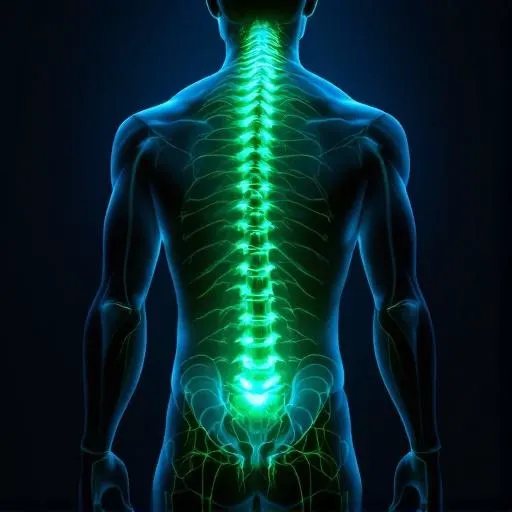
Gluteal tendinopathy and greater trochanteric pain syndrome are common in masters runners and women in their fifties and sixties — frequently misdiagnosed as bursitis. Femoroacetabular impingement (FAI) presents with deep groin or anterior hip pain, especially in hockey players, soccer players, and dancers. Athletic pubalgia (the "sports hernia") affects soccer and hockey athletes with cutting and twisting demands. Each has a specific exam pattern, a specific rehab progression, and a specific role for PRP or surgical consultation.
A 60-minute first visit built around the athlete's actual sport, training history, and competitive timeline. The exam includes the injured tissue, the surrounding kinetic chain, and the biomechanical drivers that make the same injury keep coming back. Bedside ultrasound looks at the tissue in real time. By the end you have a diagnosis, a tier-one plan you start that week, and a defined timeline tied to your competitive calendar.
What sport, what position, what level, what competitive timeline. What was the training load when symptoms started. What changed: surface, footwear, volume, intensity, technique. The injury is rarely an accident — it is a story.
The shoulder problem in the tennis player gets a thoracic spine, scapular, and rib mechanics exam. The runner's knee gets a hip, ankle, and gait exam. The lower-back problem in the golfer gets a hip rotation and thoracic mobility exam. Treating the painful spot in isolation is how injuries recur.
Real-time look at the injured tendon, joint, or muscle. Confirms the structural diagnosis, grades the injury (e.g., partial-thickness rotator cuff), and identifies findings that should change the plan. Often clearer in the moment than a static MRI report.
If your goal is the New Britain Half in October or league semifinals in March, the plan reverse-engineers from that date. Decision points are placed at week-level granularity with clear go/no-go criteria.
Direct communication with your physical therapist, athletic trainer, and (for youth) coach when appropriate. The plan is one document, not three competing ones.
If you cannot make your competitive date safely, you will hear that — with a defensible alternative. The job is not to tell you what you want; it is to tell you what is true and what gives you the best long-term outcome.
Platelet-rich plasma is a concentration of the patient's own platelets delivered into injured tissue under ultrasound guidance. The released growth factors (PDGF, TGF-β, VEGF, IGF-1) recruit local stem cells, stimulate angiogenesis, and drive matrix remodeling. For the athlete, three things make PRP a particularly good fit. First, it is biological repair rather than steroid suppression — exactly what a tendon or partial-thickness ligament needs. Second, it carries no rupture risk in load-bearing tendons where cortisone is contraindicated. Third, the durability is on the order of a competitive season, not a few weeks.
Lateral epicondylitis (tennis elbow), patellar tendinopathy (jumper's knee), partial-thickness rotator cuff tears, gluteal tendinopathy, plantar fasciitis, and chronic high-hamstring tendinopathy. Strong evidence base, ultrasound-guided delivery, and a meaningful track record at the professional and college level.
PRP onset is 4 to 8 weeks with continued improvement to 3 to 6 months. The injection week is offseason or end-of-season, not mid-competition. For a fall sport athlete this often means a June or July PRP. For a spring sport athlete, January or February. The first 1 to 2 weeks can feel worse as the inflammatory healing cascade activates — this is the mechanism, not a complication.
For the 2 weeks after PRP, no NSAIDs (ibuprofen, naproxen, aspirin) and no ice on the treated area. Both blunt the inflammatory healing cascade that PRP relies on. Acetaminophen is fine for pain. Heat is fine. This is the period when most patients accidentally undermine their own treatment if not warned clearly.
The strongest outcomes in the literature pair PRP with diagnosis-specific structured rehab. Heavy slow resistance for tendinopathy. Eccentric loading for Achilles. Scapular control and posterior capsule mobility for rotator cuff. PRP without rehab is weaker than rehab without PRP. Both together is the protocol.
No major commercial insurer in Connecticut, including Anthem, Cigna, Aetna, and ConnectiCare, covers PRP for orthopedic indications. Medicare does not cover it either. PRP is paid out of pocket and is HSA/FSA eligible. Pricing is $1,250 to $3,000 per session depending on site count and ultrasound complexity.
PRP does not regrow a complete ACL rupture, restore an end-stage osteoarthritic joint, or fix a structurally compromised full-thickness tendon tear. Honest scope-of-practice matters. When PRP is not the right tool, you will hear that and the next step will be discussed.
Osteopathic manipulative treatment is hands-on structural diagnosis and treatment, performed by an osteopathic physician trained to identify and resolve somatic dysfunction. For athletes the value is twofold. First, OMT addresses the mechanical compensations that drive overuse injuries — restricted thoracic rotation in throwers, sacroiliac dysfunction in runners, fibular head and ankle restriction in soccer players. Second, used proactively in-season, OMT is part of an athlete's regular maintenance, alongside soft tissue work and rehab, that keeps the kinetic chain moving cleanly under high load.
Restricted thoracic spine rotation is one of the most common dysfunctions in throwing and rotational athletes — and one of the strongest mechanical drivers of shoulder and elbow overuse. OMT directly opens thoracic and rib motion, freeing the kinetic chain to absorb load distally instead of concentrating it at the shoulder or elbow.
Sacroiliac dysfunction, innominate rotation, and lumbar restrictions are often the unaddressed driver of recurrent IT band syndrome, hamstring strain, and patellofemoral pain. OMT resets the pelvis and lumbar spine, after which the rehab and load progression actually take. Without the OMT step, the same biomechanical fault keeps producing the same symptom.
Old ankle sprains leave residual fibular head and talocrural restriction that quietly limit ankle dorsiflexion for years. The downstream cost is a knee that overloads, a hip that compensates, and a recurring set of "unrelated" injuries. OMT restores ankle mechanics in a single visit; the rehab thereafter holds the gain.
For competitive masters athletes and high-school varsity athletes, in-season OMT every 3 to 4 weeks is the same logic as soft-tissue or chiropractic care: keep the system moving cleanly under repeated high-load demand, catch dysfunctions before they become symptomatic injuries. This is the single most under-used proactive tool in non-professional athletics.
Cortisone still has a role for the athlete, but a narrower one than a decade ago. The framework here is honest and evidence-based: pick the tool that matches the tissue, the timeline, and the cumulative dose history.
Acute frozen shoulder. Trigger finger. Acute true bursitis (subacromial, trochanteric) where the athlete needs short-term function preservation around a defined competitive event. As a one-time diagnostic-therapeutic confirmation that a specific structure is the pain source. Carpal tunnel as a diagnostic test before considering surgery.
Achilles tendinopathy (rupture risk). Patellar tendinopathy (rupture risk). Mid-substance tendinopathy generally — these are degenerative, not inflammatory, and steroid weakens already-degraded tendon. Repeat injection in any load-bearing joint with structural disease. Lateral epicondylitis — evidence shows worse 6 and 12 month outcomes than placebo.
Chronic tendinopathy that has plateaued in rehab. Partial-thickness rotator cuff tears in the active athlete. Patellar and quadriceps tendinopathy. Lateral epicondylitis. Mild to moderate knee OA in the masters athlete trying to keep the joint functional. Plantar fasciitis that has not responded to conservative care. Cortisone alternatives →
The honest tradeoff: cortisone wins at 4 to 6 weeks, PRP wins at 6 to 18 months. If your event is 5 weeks away, cortisone may be the right bridge. If your event is 5 months away, PRP plus structured rehab is the better long-term answer. The wrong move is treating every athlete the same regardless of where they are in the season.
"How long" is the wrong question. The right question is "what milestones." Calendar-based return-to-play is the single biggest predictor of re-injury. Criteria-based progression — measurable strength symmetry, completed rehab progression, sport-specific drill completion without symptom recurrence — gets athletes back faster on average and re-injures them less.
Full pain-free strength symmetry on isokinetic or hand-held dynamometry. Completed progressive sprint loading from 50 percent to full pace. Sport-specific cutting and acceleration drills without symptom recurrence. Typical return 3 to 6 weeks for grade I, 6 to 10 weeks for grade II, longer for grade III.
Restoration of full range of motion. Valgus stress stability on exam at 0 and 30 degrees. Graded contact exposure if applicable. Brace use during early return. Typical return 1 to 3 weeks for grade I, 3 to 6 weeks for grade II, 6 to 8 weeks or surgical consultation for grade III.
Symptom resolution at rest. Asymptomatic completion of all six exertion stages (light aerobic, sport-specific aerobic, non-contact training drills, full contact training, return to play). For students, return to school precedes return to play. Premature return is the biggest predictor of prolonged recovery.
Pain-free single-leg balance, single-leg hop, and lateral cutting. Full pain-free range of motion. Strength symmetry. Typical return 1 to 2 weeks for grade I, 2 to 4 weeks for grade II, 4 to 8 weeks for grade III.
Tendinopathy is not "wait until pain free" — it is "demonstrate load tolerance under sport-specific demand." The progression is heavy slow resistance to plyometric loading to sport-specific drills, with symptom monitoring rather than symptom elimination. Typical return is 8 to 16 weeks depending on chronicity and adherence.
Relative rest 7 to 10 days post-injection. Structured progressive loading from week 2. Sport-specific exposure typically beginning at 6 to 8 weeks. Full competitive return generally at 10 to 14 weeks for tendinopathy. The exact timeline is criteria-based, not date-based.
A non-surgical sports medicine physician diagnoses and treats musculoskeletal injuries in athletes without operating. The toolkit includes detailed biomechanical and sport-specific examination, bedside ultrasound, image-guided injections (PRP, hyaluronic acid, and selective cortisone), osteopathic manipulative treatment, structured rehabilitation plans coordinated with PT and athletic trainers, and clearly defined return-to-play criteria. When surgery is the right answer, the role shifts to making sure the athlete reaches the right surgical specialist with the right diagnosis and a pre-habilitation plan.
PRP is particularly valuable for athletes because the alternative — repeated cortisone — has documented downside risk in load-bearing tendons. Steroid injection into the Achilles or patellar tendon is associated with rupture risk, exactly the catastrophic outcome an athlete cannot afford. PRP carries no such risk and the evidence base in athletic populations for tennis elbow, partial rotator cuff tears, jumper's knee, and gluteal tendinopathy is strong. The trade-off is a slower onset (4 to 8 weeks vs 24 to 72 hours) and the cost. For an athlete planning a competitive season three to four months out, PRP often makes more sense than a steroid bridge.
Return-to-play timing is driven by criteria, not calendar. The criteria depend on the injury and the sport. For a hamstring strain it is full pain-free strength symmetry, completion of progressive sprint loading, and sport-specific cutting and acceleration drills without symptom recurrence. For a partial MCL it is restoration of full range of motion, valgus stress stability on exam, and graded contact exposure. For concussion it is symptom resolution at rest and through a 6-stage graded exertion protocol. The wrong question is when. The right question is what milestones.
For lateral epicondylitis (tennis elbow), the evidence has shifted strongly against cortisone over the past decade. Multiple randomized trials show cortisone provides faster short-term relief but worse outcomes at 6 and 12 months than placebo or PRP. PRP combined with structured eccentric rehab is the more durable choice for the athlete who needs the elbow to last. Wait-and-see plus rehab is also a reasonable first step for many recreational players.
OMT directly addresses the somatic dysfunctions that limit movement and load tolerance — restricted thoracic rotation in pitchers and golfers, sacroiliac dysfunction in runners and cyclists, fibular head and ankle restriction in soccer and basketball players, cervical and rib restrictions in throwers. Resolving these patterns improves range of motion, distributes load more evenly across the kinetic chain, and reduces the compensation patterns that drive overuse injuries. It is best used proactively in-season as part of an athlete's regular maintenance, not just reactively after an injury.
Yes. The Farmington Valley has a strong youth sports culture — Farmington High, Avon High, Plainville High, and a robust club program landscape. Youth athletes have a different injury profile than adults: apophysitis (Osgood-Schlatter, Sever's), growth-plate injuries, early-specialization overuse patterns, and concussion deserve careful, sport-aware management. Treatment is conservative-first for almost all youth presentations; PRP is rarely used in skeletally immature athletes. The bigger value for this age group is honest counseling on training load and specialization.
A 60-minute athlete-focused evaluation reviews your imaging, examines the injured tissue and surrounding kinetic chain, and lays out a tiered plan tied to your competitive calendar. You leave with a working diagnosis, a tier-one plan you start that week, and a defensible return-to-play timeline.
Office: 61 S Main St, Suite 308, West Hartford, CT 06107
Hours: Mon to Fri 8:00 AM to 5:00 PM
Serving Farmington, Plainville, Avon, Bristol, New Britain, and West Hartford
Related reading: Regenerative medicine · OMT · Knee pain treatment · Cortisone alternatives · Pain management Farmington · Areas served