Knee Pain Treatment in Hartford, CT: a complete tiered plan from rehab to regenerative
If your knee has been hurting for more than six weeks, "rest and ibuprofen" is no longer the plan. Hartford has excellent orthopedic surgeons, but most knee pain does not begin in the operating room and most knee pain should not end there. Dr. Hans Knopp, DO, is a board-certified pain physician offering a tiered, diagnosis-driven plan that combines osteopathic manipulative treatment, structured rehab, hyaluronic acid, image-guided PRP, and honest guidance about when surgical consultation actually makes sense.
The eight causes of knee pain that walk through this office
Knee pain is not a diagnosis. It is a symptom with a finite list of structural and biomechanical causes, and the treatment plan changes completely depending on which one is generating your pain. A fifty-five year old with medial joint line tenderness and a degenerative medial meniscus tear on MRI is a different patient than a forty year old runner with anterior knee pain and patellofemoral malalignment, even if both say "my knee hurts." The first job of a pain physician is the differential.
Knee osteoarthritis
The most common cause of chronic knee pain in adults over 45 in the Greater Hartford area. Wear-and-tear loss of articular cartilage on the femoral condyles, tibial plateau, and patellofemoral joint. Pain is typically worst on standing from a seated position, on stairs, and after extended activity. Stiffness in the morning that loosens within 30 minutes is classic. Graded radiographically by the Kellgren-Lawrence scale (I through IV); the grade matters because regenerative options work best in grades I through III, and PRP outcomes are markedly better when there is still cartilage to preserve. Most patients do not need a knee replacement at the first sign of OA. They need a serious tiered plan that buys years of preserved native function.
Meniscus tear (degenerative and traumatic)
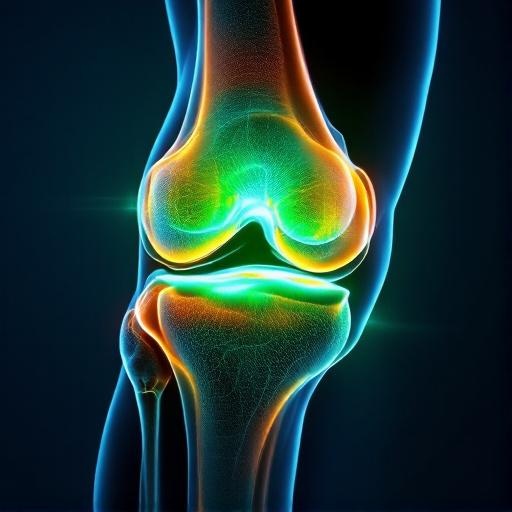
The meniscus is a C-shaped fibrocartilage shock absorber. Acute traumatic tears in younger athletes from a twisting injury are different than degenerative tears in adults over 40, where the meniscus simply wears out alongside the rest of the joint. The big shift in evidence over the last decade is that arthroscopic partial meniscectomy for degenerative tears has not outperformed structured physical therapy in multiple randomized trials. A meniscus "tear" on the MRI of a fifty-five year old with knee OA is often an incidental finding, not the actual pain generator. Distinguishing the two is one of the most consequential things a pain physician does for the Hartford patient sitting in the exam chair.
Ligament injuries: ACL, MCL, LCL, PCL
The four ligaments that stabilize the knee. Complete ACL ruptures in active athletes typically warrant surgical reconstruction, particularly when there is concurrent meniscal damage or rotational instability. Partial ACL tears, isolated MCL sprains (the most common ligament injury in skiers), LCL sprains, and PCL injuries often heal with structured rehabilitation and bracing. PRP has emerging evidence for partial-thickness ligament injuries and for augmenting post-surgical healing. The exam still matters: a positive Lachman test, anterior drawer, and pivot shift carry as much diagnostic weight as the MRI.

Patellofemoral pain syndrome (runner's knee)
Anterior knee pain at or behind the kneecap, worst on stairs (especially descending), squatting, and after prolonged sitting (the "movie theater sign"). The single most common knee complaint in runners and a frequent finding in adolescents. Almost never a structural problem in isolation. The drivers are biomechanical: weak hip abductors, weak vastus medialis obliquus (VMO), tight lateral retinaculum, foot mechanics, and training load errors. The treatment plan is rehab, load management, and OMT, not injections, not surgery. When patients do not respond, the missed diagnosis is usually patellar tendinopathy or fat pad impingement rather than true patellofemoral OA.
Patellar tendinopathy (jumper's knee) and quadriceps tendinopathy
Pain at the inferior pole of the patella (patellar tendon) or just above the kneecap (quadriceps tendon). Common in jumping athletes, recreational basketball and volleyball players, and runners increasing volume too quickly. The tendon is not "inflamed" in the classical sense, chronic tendinopathy is a degenerative process with disorganized collagen, neovascularization, and failed healing. That is exactly why cortisone is a poor choice here: it suppresses an inflammatory cascade that is not the problem and weakens an already-degraded tendon. Heavy slow resistance rehabilitation is the foundation. PRP has strong evidence as an adjunct, particularly when rehab alone has plateaued.
Iliotibial band syndrome
Lateral knee pain that comes on at a predictable distance into a run or ride and resolves with rest. Despite the name, the pain generator is rarely the IT band itself but the structures it compresses against the lateral femoral epicondyle. Treatment is biomechanical: gluteus medius strengthening, cadence and stride adjustments for runners, saddle position for cyclists. OMT addresses pelvic rotation and lumbar mechanics that perpetuate the lateral overload. Foam rolling provides symptomatic relief but does not lengthen the IT band.
Pes anserine bursitis and prepatellar bursitis
Pes anserine bursitis presents as medial knee pain just below the joint line, often confused with medial compartment OA or a medial meniscus tear. Common in middle-aged women with knee OA, in runners, and in patients with valgus alignment. Prepatellar bursitis (housemaid's knee) is anterior swelling over the kneecap from repetitive kneeling. Both respond to activity modification, ice for acute presentations, and targeted ultrasound-guided injection when needed. Distinguishing pes anserine bursitis from medial meniscus pain on exam saves the patient an unnecessary MRI and an unnecessary trip down the surgical pathway.
Post-surgical and post-arthroscopic knee pain
Persistent pain after meniscectomy, ACL reconstruction, or total knee arthroplasty is its own diagnostic challenge. Common drivers include arthrofibrosis, residual quadriceps weakness, neuropathic pain from infrapatellar branch of the saphenous nerve, hardware-related pain, and unaddressed referred pain from the hip or lumbar spine. OMT, neural-targeted treatment, and (in select cases) genicular nerve radiofrequency ablation are part of the toolkit. The key is rejecting the framing that "the surgery was technically successful so the pain must be psychological." It almost never is.
What a thorough knee evaluation looks like
A fifteen-minute appointment that ends with a script for ibuprofen and a referral for an MRI is not a workup. The first visit at this office is a 60-minute evaluation built around three things: a structured history that identifies pain mechanism and pattern, a comprehensive biomechanical exam that includes the hip and spine, and bedside ultrasound to look at the joint and surrounding tendons in real time. By the end of that visit you should know your working diagnosis, your tier-one treatment plan, and the decision points that would change it.
Mechanism and pattern
How did the pain start (acute injury vs insidious onset)? What movements provoke it? When during the day is it worst? Catching, locking, giving way? Each pattern points to a different anatomic source.
Biomechanical exam
Hip range of motion, gluteus medius strength, ankle mobility, foot type, and lumbar spine, the knee is rarely the only thing that needs examination. Most chronic knee complaints have proximal or distal contributors.
Provocative testing
McMurray, Apley grind, Thessaly, Lachman, anterior drawer, valgus and varus stress, patellar grind, single leg squat. Each test has a known sensitivity and specificity. Used together they replace a guess with a probability.
Bedside ultrasound
Real-time look at the joint, the menisci, the major tendons, and any effusion. Ultrasound also confirms or refutes structural findings on existing MRI. Many patients leave the first visit with a clearer picture than they had after months of imaging.
Imaging review
If you bring an MRI on disc, you will get a real read: what is degenerative versus traumatic, what is incidental versus symptomatic, and what should change the plan. Many MRI findings reported as "tear" do not require surgical treatment in patients over 40.
Tiered plan
Tier one is what you start tomorrow. Tier two is the decision point at 6 to 12 weeks. Tier three is the surgical conversation, only if and when conservative and regenerative options have been exhausted.
Conservative care that actually works for knee pain
Most patients arriving in this office have already "tried physical therapy." When you ask what that looked like, it was often eight visits of stretching, a few quad sets, and some heat and ice. The version of conservative care that works for knee pain is diagnosis-specific, progressively loaded, and supervised long enough to produce measurable change. Done correctly it resolves a meaningful percentage of cases without any injection at all and dramatically improves outcomes for the cases that do go on to receive PRP or hyaluronic acid.
Diagnosis-specific physical therapy
For knee OA the evidence-based foundation is quad and hip strengthening with body-weight off-loading. For patellofemoral pain it is hip abductor strengthening, VMO activation, and gait or running form analysis. For tendinopathy it is heavy slow resistance protocols (Beyer or Kongsgaard style) sustained over 12 weeks. For post-surgical knees it is a progression from range-of-motion restoration through neuromuscular control to sport-specific loading. Generic PT gets generic results. The referral has to be specific.
Osteopathic manipulative treatment
Many chronic knee complaints are driven by mechanical compensation patterns above and below the knee, sacroiliac dysfunction, restricted hip rotation, a fibular head somatic dysfunction, ankle stiffness from an old sprain. OMT diagnoses and treats these patterns directly. It is particularly powerful for runner's knee, IT band syndrome, post-surgical pain, and recurring tendinopathy that flares despite a good rehab program. More on OMT →
Activity and load management
An honest conversation about volume, intensity, and progression. For the recreational runner, that may mean a deload week and a gradual return at 80 percent volume. For the construction worker with knee OA, that means changing how stairs and ladders are managed at work. For the postal worker, it means addressing footwear and route distribution. Knee pain is almost never solved without a load conversation. The framing is not "stop doing what you love." It is "do it in a sustainable dose."
Off-loader bracing and orthotics
For unicompartmental knee OA (medial more than lateral) a properly fit unloader brace can substantially reduce loading on the affected compartment, particularly during weight-bearing activity. For patellofemoral pain a patellar tracking brace plus a structured rehab program often outperforms either alone. Foot orthotics matter for patients with significant overpronation contributing to dynamic valgus at the knee. None of these are "wear forever" tools, they are bridges that buy time for the rehab and regenerative work to take hold.
Weight management as a treatment
Each pound of body weight translates to roughly four pounds of force across the knee during gait and considerably more on stairs. For overweight patients with knee OA, even a 5 to 10 percent reduction in body weight produces measurable symptom improvement comparable to many pharmacologic interventions. This is not moralizing, it is mechanics. The conversation belongs in the treatment plan, not in a separate referral that never happens.
Regenerative options: PRP, hyaluronic acid, and how they fit
When a properly executed conservative plan has been given 8 to 12 weeks and the trajectory is plateaued or worsening, the next conversation is regenerative or pharmacologic intra-articular care. There are three real options for the knee, hyaluronic acid (viscosupplementation), platelet-rich plasma (PRP), and corticosteroid, and the choice between them comes down to the diagnosis, the grade of disease, the timeline of the patient, and what insurance will cover.
PRP for the knee
The strongest evidence among regenerative options for knee OA. The 2026 AAPM&R consensus guidance favors PRP over cortisone for medium-term symptom control (6 to 12 months) in mild to moderate knee OA. Onset 4 to 8 weeks. Durability 9 to 18 months. Best in Kellgren-Lawrence grades I through III. Out of pocket, no commercial insurer in Connecticut covers it. $1,250 to $3,000 per session. Full PRP overview →
Hyaluronic acid (viscosupplementation)
FDA-approved for knee OA. A series of 1, 3, or 5 injections of cross-linked or linear hyaluronic acid that improves joint lubrication and dampens nociception. Modest effect size in the literature but reliable for select patients with mild to moderate knee OA. Most commercial plans in Connecticut cover one course every 6 months. A reasonable first regenerative-direction step for patients who want an insurance-covered option before considering PRP.
Cortisone, used carefully
Still has a role for acute flares, short-term function preservation around an important event (a wedding, a trip), and as a diagnostic confirmation that the joint is the pain source. The concern is repeat dosing in load-bearing joints with structural disease. The conventional ceiling is 3 to 4 per knee per year with 3 months between, but most pain physicians today use cortisone less often than they did a decade ago. Cortisone alternatives →
BMAC and stem-cell labels
Bone marrow aspirate concentrate (BMAC) is reasonable for select cases of more advanced knee OA where PRP alone has plateaued, but the evidence base is thinner and the procedural cost is higher. Avoid clinics marketing "stem cell therapy" with no peer-reviewed evidence and no transparent cell counts. The honest version of regenerative medicine is rigorous about what is supported and what is marketing.
Sequencing the options
For a typical Hartford patient with grade II to III knee OA who has failed conservative care: hyaluronic acid first if insurance-covered and the patient prefers covered options, or PRP first if the patient is willing to pay out of pocket for the longer-acting option. Many patients do best with a combined sequence (PRP at month 0 and 6, hyaluronic acid course in between). Cortisone is reserved for flares.
What to expect after PRP
The first 1 to 2 weeks can feel worse as the inflammatory healing cascade activates. No NSAIDs and no ice for 2 weeks (they blunt the regenerative response). Relative rest 7 to 10 days. Structured progressive loading from week 2 onward. Onset of symptom improvement at 4 to 8 weeks. Continued improvement to 3 to 6 months. Most patients return for a maintenance injection at 12 to 18 months rather than a full new course.
When image-guided interventional procedures are appropriate
For end-stage knee OA in patients who are not surgical candidates, who decline arthroplasty, or who are bridging time before surgery, there is a separate toolkit of image-guided interventional procedures performed in conjunction with Hartford HealthCare. These do not regenerate tissue. They modulate the nociceptive input from the affected joint.
Genicular nerve radiofrequency ablation
The genicular nerves carry pain signals from the knee joint. A diagnostic block first confirms that interrupting these nerves will reduce pain. If positive, radiofrequency ablation produces durable nerve interruption (typically 6 to 12 months). Particularly useful for patients with end-stage knee OA who are not surgical candidates, patients who have declined replacement, and patients with persistent pain after total knee arthroplasty. Performed in the procedure suite at Hartford HealthCare.

Peripheral nerve stimulation
Sprint peripheral nerve stimulation (SPR Therapeutics) is a 60-day percutaneous nerve stimulation system that targets the peripheral nerves contributing to chronic knee pain, particularly post-surgical neuropathic pain. The lead is placed under ultrasound guidance, the patient wears the external stimulator for 60 days, and the lead is then removed. Approximately 70 percent of responders maintain durable pain relief past the 60-day treatment period.
Diagnostic and therapeutic blocks
For knees with multiple potential pain generators (degenerative meniscus tear, mild OA, pes anserine bursitis, referred pain from the hip), a sequence of targeted ultrasound-guided diagnostic blocks can isolate the actual contributor. This is how a careful interventional pain physician separates the noise from the signal before committing to a more invasive procedure.
When knee surgery is the right answer (and when it is not)
A pain physician's job is to be honest about the limits of non-surgical care. Some knee conditions are surgical from the moment of diagnosis. Others are surgical only after a serious tiered conservative and regenerative plan has been exhausted. Knowing which is which is the difference between a patient who keeps their native knee for another decade and one who has a replacement that they did not actually need yet.
Surgery is the right call
Locked knee with a displaced bucket-handle meniscus tear. Complete ACL rupture in an active athlete with rotational instability. Acute quadriceps or patellar tendon rupture. End-stage tricompartmental knee OA in a patient with severe functional limitation who has failed all conservative and regenerative options. Symptomatic loose body. Septic joint.
Surgery is usually not the first call
Degenerative medial meniscus tear in a patient over 40 (PT first per the FIDELITY and ESCAPE trials). Grade I to II knee OA. Patellofemoral pain syndrome. Most cases of patellar tendinopathy. Iliotibial band syndrome. Pes anserine bursitis. Partial-thickness MCL or LCL injuries.
The right time for arthroplasty
Total knee replacement is one of the most successful operations in medicine when timed correctly. The right time is when daily function is genuinely limited, conservative and regenerative care have been tried and failed, imaging shows end-stage osteoarthritis, and pain is disrupting sleep or essential activities. Too early gives up native tissue that could have been preserved. Too late means rehabbing a knee with deconditioned quads and a stiff capsule.
Hartford-area surgical referrals
When a surgical opinion is appropriate, this office refers to specific Hartford HealthCare and Connecticut Orthopaedics surgeons matched to the procedure. Cartilage restoration cases go to one surgeon, primary arthroplasty to another, complex revisions to a third. Matching the surgeon to the case matters as much as the decision to operate.
How long until you feel better, by treatment
"How long will this take?" is the second question every patient asks after "what is wrong with me?" Honest answers vary by treatment and by diagnosis. Below is what to actually expect at each tier.
Conservative (PT, OMT, load management)
Measurable change at 2 to 4 weeks if the plan is correct. Meaningful functional improvement at 6 to 12 weeks. Plateau evaluation at 12 weeks; if no progress by then the plan needs to change, not just continue.
Hyaluronic acid
Onset 2 to 4 weeks. Peak effect at 4 to 8 weeks. Duration 4 to 6 months. Repeatable every 6 months under most insurance coverage.
PRP
Onset 4 to 8 weeks; the first 1 to 2 weeks may feel worse. Continued improvement to 3 to 6 months. Durability 9 to 18 months. Most patients return for maintenance at 12 to 18 months.
Cortisone
Onset 24 to 72 hours. Duration 4 to 12 weeks. Each subsequent injection in the same joint typically delivers a shorter window than the one before.
Genicular RFA
Onset within 1 to 2 weeks of the ablation. Duration 6 to 12 months. Repeatable when symptoms recur.
Total knee arthroplasty (for context)
Discharge typically same day or post-op day one in current Hartford-area protocols. Walking with assistive device immediately. Return to most desk work at 4 to 6 weeks. Return to full recreational activity at 4 to 6 months. Continued range-of-motion gains to 12 months.
Knee pain treatment FAQ
What is the best treatment for chronic knee pain in Hartford?
There is no single best treatment because the right answer depends on the diagnosis. For knee osteoarthritis the strongest current evidence supports a tiered plan: load management and quad/hip strengthening as the foundation, hyaluronic acid or PRP for medium-term symptom control, and surgical consultation only after conservative and regenerative options have been tried. For tendinopathy heavy slow resistance rehab plus a single PRP injection is more durable than a cortisone shot. For degenerative meniscus tears the consensus has shifted away from arthroscopic meniscectomy and toward physical therapy first. A proper diagnosis is the most important step.
Do I need surgery for a meniscus tear?
Most middle-aged adults with a degenerative medial meniscus tear do not. The FIDELITY and ESCAPE randomized trials found no meaningful difference between arthroscopic partial meniscectomy and structured physical therapy for degenerative meniscal lesions in patients over 40. Acute traumatic tears in younger athletes, locked knees, and bucket-handle tears are different and may benefit from surgical repair. The diagnostic question is whether the tear is the actual pain generator or an incidental MRI finding in an arthritic knee.
How long does PRP for the knee last?
On average 9 to 18 months for knee osteoarthritis, with a meaningful subset of patients reporting symptom relief past 24 months after a single course of 1 to 3 injections. Durability tends to be longer in earlier-grade osteoarthritis and shorter in bone-on-bone end-stage disease. Most patients in this office return for a maintenance injection at 12 to 18 months rather than a full new course.
When should I consider a knee replacement?
Total knee arthroplasty is appropriate when daily function is genuinely limited, conservative care including PT, hyaluronic acid, and PRP has been tried and failed, imaging shows end-stage osteoarthritis, and pain is disrupting sleep or essential activities. Too early gives up native tissue that could have been preserved; too late means rehabbing a knee with deconditioned quads and a stiff capsule. The role of a regenerative pain physician is to extend the productive non-surgical window so the eventual replacement, if needed, happens on the patient's schedule.
Is it safe to keep getting cortisone shots in my knee?
The conventional ceiling is 3 to 4 cortisone injections per knee per year with at least 3 months between. The bigger concern is the cumulative dose. The 2019 McAlindon JAMA trial and subsequent imaging data link repeated intra-articular cortisone with faster cartilage thinning and subchondral insufficiency fractures. If you have already had two cortisone shots in the same knee with diminishing returns, that is the inflection point to evaluate PRP, hyaluronic acid, or a structural rehab plan instead. Cortisone alternatives →
How quickly will I feel better after starting treatment?
It depends on the modality. OMT and PT often produce measurable change within 2 to 4 weeks for biomechanical drivers. Hyaluronic acid takes 2 to 4 weeks to peak. PRP onset is 4 to 8 weeks with continued improvement to 3 to 6 months; the first 1 to 2 weeks can feel worse as the healing cascade activates. Cortisone is the fastest at 24 to 72 hours but the most temporary. A good tiered plan usually layers a fast-acting modality with a durable one.
Can I run again after knee osteoarthritis?
Often yes, in a sustainable dose with the right plan. The myth that running causes or worsens knee OA has not held up in modern epidemiology, recreational runners actually have lower rates of knee OA than sedentary controls in several large cohorts. The real questions are: what grade of OA, what is your current strength and biomechanics, and what is the right volume and progression for your knee. Many patients in this office return to recreational running after a regenerative-and-rehab program, just at adjusted volume and intensity.
Do you take insurance for the knee evaluation?
The 60-minute consultative evaluation is offered as a concierge visit and is paid out of pocket; receipts are HSA/FSA eligible and many patients submit for partial out-of-network reimbursement depending on their plan. Hyaluronic acid and image-guided interventional procedures performed at Hartford HealthCare are billed through standard insurance pathways. PRP is not covered by any major Connecticut insurer or Medicare. Pricing is transparent at the first call.
Get a real plan for your knee
A 60-minute evaluation reviews your imaging, examines the knee with bedside ultrasound, and lays out a tiered plan from rehab through regenerative options through interventional procedures and (only when appropriate) surgical referral. You will leave with a working diagnosis, a tier-one plan you start the same week, and the decision points that would change it.
Office: 61 S Main St, Suite 308, West Hartford, CT 06107
Hours: Mon to Fri 8:00 AM to 5:00 PM
Serving Hartford, West Hartford, East Hartford, Wethersfield, Newington, Bloomfield, Farmington, and Glastonbury
Related reading:Regenerative medicine ·OMT ·Cortisone alternatives ·Sports medicine Farmington ·Areas served