HK

Cortisone alternative CT: PRP, OMT & the regenerative options worth considering

Cortisone shots feel like a fix until they don't. If you are facing a third or fourth steroid injection in the same joint, you have alternatives that are better supported by current orthopedic evidence. Dr. Hans Knopp, DO, is a board-certified pain physician in West Hartford offering PRP, osteopathic manipulation, viscosupplementation, and image-guided interventional care.

Cortisone is fast. It is also overused.

A cortisone (corticosteroid) injection is one of the most common procedures in orthopedic and primary care. For acute flares, frozen shoulder, severe bursitis, or trigger finger, it can be exactly the right tool. But the same shot, used repeatedly in a wear-and-tear joint, has accumulated a meaningful evidence base of harm: faster cartilage thinning on serial MRI, subchondral insufficiency fractures, and accelerated structural joint deterioration. The 2019 McAlindon JAMA trial on triamcinolone in knee osteoarthritis was a turning point in how careful pain physicians approach repeat steroid injection in load-bearing joints.

If you have already had one or two cortisone shots and the relief is wearing off faster each time, that pattern is your signal. The right next step is rarely "another steroid." It is a different physician asking a different question: what is actually generating the pain, and is there a regenerative or biomechanical option that addresses it instead of muting it?

What a cortisone shot actually does (and doesn't do)

Corticosteroids are potent anti-inflammatories. Injected into a joint or around a tendon, they suppress the local inflammatory cascade: reduced cytokine signaling, fewer infiltrating immune cells, and a temporary drop in nociceptive (pain) signaling. That is why patients often feel dramatically better within 48 to 72 hours.

Cortisone does not heal a torn rotator cuff, regrow articular cartilage, or restore tendon collagen architecture. It buys you a window of comfort that ranges from a few weeks to a few months. For a one-time flare in an otherwise healthy joint, that window can be enough. For chronic structural pain, that window keeps shrinking with each successive injection — and the long-term cost is paid by the tissue itself.

Onset: 24 to 72 hours

Fast symptom control. The "miracle" you remember from your first shot.

Duration: 4 to 12 weeks

Average. Each subsequent injection in the same joint typically delivers a shorter window than the one before.

Cumulative risk

Cartilage thinning, subchondral insufficiency fracture, tendon weakening, transient hyperglycemia in diabetic patients, and skin/fat-pad atrophy at the injection site.

Best use cases

Frozen shoulder (adhesive capsulitis), trigger finger, acute bursitis, carpal tunnel as a diagnostic-therapeutic test. Not the same case as chronic OA or chronic tendinopathy.

The five real alternatives to a cortisone shot

"Alternative" doesn't mean fringe. Each of these is a mainstream, evidence-based option used in pain medicine, sports medicine, and orthopedic practice. The right choice depends on the diagnosis, the joint, and how much native tissue is left to work with.

01 — PRP

Platelet-rich plasma injection

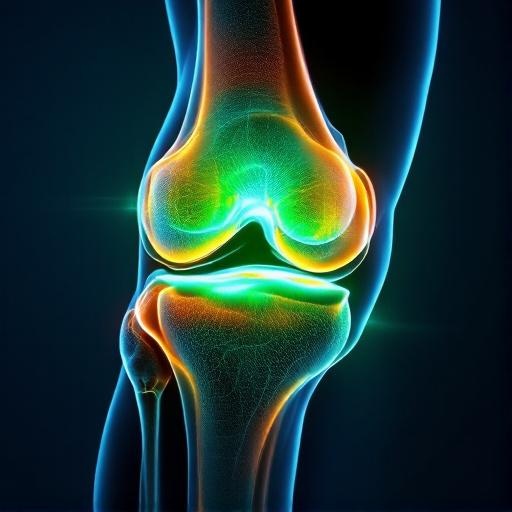
The most direct one-for-one replacement for a steroid injection. Same office setting, same image-guided delivery, but it triggers biological repair (PDGF, TGF-β, VEGF, IGF-1 release) instead of suppressing inflammation. Best evidence base: knee OA, lateral epicondylitis (tennis elbow), partial rotator cuff tears, gluteal tendinopathy, plantar fasciitis. Onset 4 to 8 weeks; durability often 9 to 18 months. See the full PRP and regenerative overview →
Knee joint PRP
02 — OMT

Osteopathic manipulative treatment

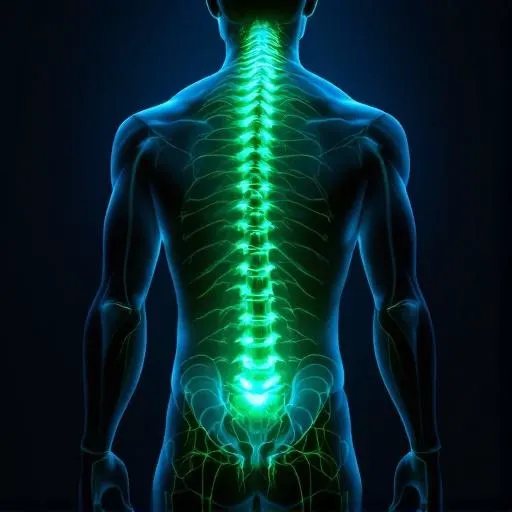
Hands-on structural diagnosis and treatment. For pain driven by joint restriction, somatic dysfunction, fascial tension, or compensatory muscle patterns, OMT often resolves the underlying mechanical problem the cortisone was being asked to mute. Best applied to spine pain, SI joint dysfunction, recurring tendon flares with proximal restriction, and post-surgical dysfunction. More on OMT →
Spine OMT
03 — HA

Hyaluronic acid (viscosupplementation)

FDA-approved for knee OA. A series of intra-articular injections of cross-linked or linear hyaluronic acid that improves joint lubrication and dampens nociception. Effect size is modest in the literature but reliable for select patients with mild to moderate knee OA who want a non-steroid, insurance-covered option. Most commercial plans cover one course every 6 months.

HA viscosupplementation
04 — Image-guided

Targeted interventional procedures

If the pain is genuinely facet-mediated, nerve-mediated, or radicular, an image-guided diagnostic block can confirm the source and guide a more durable intervention: medial branch radiofrequency ablation (RFA) for facet pain, transforaminal epidural for true radiculopathy, genicular nerve RFA for end-stage knee OA in surgical candidates, or Sprint peripheral nerve stimulation (SPR Therapeutics). These are performed at Hartford HealthCare with Dr. Knopp.

Nerve block
05 — Conservative

Structured physical therapy & load management

Often dismissed as "I already tried PT." The version that works is diagnosis-specific, progressive loading guided by a physical therapist who actually understands the tissue you are rehabbing. For tendinopathy, that means heavy slow resistance. For knee OA, that means quad and hip strengthening with body-weight off-loading. PT alone won't fix a structural tear, but it dramatically extends what every other treatment buys you.

Physical therapy

PRP vs cortisone: an honest comparison

Cortisone wins on speed, cost, and insurance coverage. PRP wins on durability, biological direction (repair vs suppression), and absence of cumulative joint harm. The "right" choice depends on what you actually need from this injection.

Speed of relief

Cortisone: 24 to 72 hours.
PRP: 4 to 8 weeks. The first 1 to 2 weeks after PRP can actually feel worse as the inflammatory healing cascade activates. That is the mechanism, not a complication.

How long it lasts

Cortisone: 4 to 12 weeks for the typical injection. Each subsequent injection often delivers a shorter window.
PRP: 9 to 18 months on average for knee OA, 12+ months for tennis elbow, and durability that often improves with the second injection in a series.

Effect on joint tissue

Cortisone: Catabolic. Suppresses inflammation and cumulative repeated dosing accelerates cartilage and tendon weakening.
PRP: Anabolic. Releases growth factors that recruit local stem cells, stimulate angiogenesis, and drive matrix remodeling.

Cost & insurance

Cortisone: Almost always covered. Patient typically pays a copay or nothing.
PRP: Not covered by any major Connecticut insurer or Medicare. $1,250 to $3,000 per session at this office. HSA/FSA eligible.

Best evidence base

Cortisone: Frozen shoulder, trigger finger, acute bursitis, carpal tunnel as diagnostic test.
PRP: Knee OA (AAPM&R 2026 consensus), lateral epicondylitis, partial rotator cuff tears, plantar fasciitis, gluteal tendinopathy.

Repeat schedule

Cortisone: Conventional ceiling of 3 to 4 per joint per year, with at least 3 months between.
PRP: Most patients need 1 to 3 injections spaced 4 to 6 weeks apart. Many do not need a repeat course for 12 to 18 months.

Read the full clinical comparison: PRP vs cortisone →

When to consider regenerative alternatives

There is no single right answer for every patient. The questions below are how Dr. Knopp thinks through this in the office. If two or more apply to you, an evaluation is reasonable.

You have already had two cortisone shots in the same joint

Each subsequent injection has shorter durability and progressively higher cumulative tissue cost. This is the classic "should I switch?" inflection point.

You are trying to delay or avoid surgery

For grade I to III knee OA, partial rotator cuff tears, and chronic tendinopathy, PRP can buy years before surgery becomes necessary. For some patients, it removes the need entirely.

You are diabetic, hypertensive, or on chronic steroids

Cortisone causes transient hyperglycemia (significant in poorly controlled diabetes), can elevate blood pressure, and adds to a chronic systemic steroid load. PRP carries none of these systemic effects.

You are an athlete with structural pain

Steroid injection into load-bearing tendons (Achilles, patellar) is associated with rupture risk. For athletic populations, the regenerative-first approach better protects long-term tissue integrity.

The pain pattern keeps coming back exactly the same way

Recurrence in the same anatomic spot suggests an unaddressed structural or biomechanical driver. OMT and a structured rehab plan often resolve what the cortisone was being asked to suppress.

You have not had a true diagnosis

"Bursitis" or "tendinitis" without an ultrasound or MRI to confirm the tissue, the grade, and the location is a guess. A proper diagnostic workup often changes the treatment plan before any injection happens.

Cortisone alternative FAQ

What is the best alternative to a cortisone shot?

For most musculoskeletal conditions, the strongest evidence-based alternatives are PRP (platelet-rich plasma) injection, osteopathic manipulative treatment, structured physical therapy, and (for knee OA) hyaluronic acid viscosupplementation. PRP is the most direct one-for-one replacement: same office setting, same delivery, but it stimulates biological repair instead of suppressing inflammation. The right choice depends on the diagnosis, the joint, and how much native tissue is left to heal.

Is PRP better than cortisone for the knee?

For knee osteoarthritis, multiple randomized trials and the 2026 AAPM&R consensus guidance favor PRP over cortisone for medium-term symptom control (6 to 12 months). Cortisone usually wins at 4 to 6 weeks, but the relief fades and repeated cortisone injections are linked to faster cartilage loss in the same joint. PRP's onset is slower (4 to 8 weeks) but the trajectory is the opposite: function generally continues improving for 3 to 6 months. See the AAPM&R PRP knee OA guidance breakdown →

How many cortisone shots can you safely have?

The conventional ceiling is 3 to 4 injections in the same joint per year, with at least 3 months between injections. The bigger concern is the cumulative dose: imaging and registry data link repeated intra-articular cortisone (especially in the knee, hip, and shoulder) with faster cartilage thinning, subchondral insufficiency fractures, and accelerated joint deterioration. If you are already past two cortisone injections in the same joint, that is the time to ask about regenerative alternatives.

Does insurance cover PRP injections in Connecticut?

No major commercial insurer in Connecticut, including Anthem, Cigna, Aetna, and ConnectiCare, currently covers PRP for orthopedic indications. Medicare does not cover it either. PRP is paid out of pocket and is HSA/FSA eligible. At Dr. Knopp's West Hartford office, PRP injection is $1,250 to $3,000 per session depending on site count and ultrasound complexity.

How long do I have to wait between cortisone and PRP?

Most regenerative protocols ask for at least 4 to 6 weeks between a cortisone injection and a PRP injection at the same site. Steroids suppress the inflammatory cascade that PRP relies on, so doing them too close together blunts the regenerative response. If you had cortisone in the past few weeks and want to switch, that is a normal conversation at the evaluation.

Are you anti-cortisone?

No. Cortisone is the right tool for several conditions: frozen shoulder (adhesive capsulitis), trigger finger, acute bursitis, and carpal tunnel as a diagnostic-therapeutic test. The concern is repeated steroid injection in load-bearing joints with structural pathology, where the long-term tissue cost outweighs the short-term symptom relief.

Talk through your options before the next shot

A 60-minute evaluation reviews your imaging, examines the joint or tendon, and lays out what would actually help. If PRP is the right call, it can typically be performed at a follow-up visit. If a different alternative is better for your case, that is what you will hear.

Call (860) 325-2869 Send a message

Office: 61 S Main St, Suite 308, West Hartford, CT 06107
Hours: Mon to Fri 8:00 AM to 5:00 PM
Serving West Hartford, Hartford, Farmington, Avon, Simsbury, and Glastonbury

Related reading: Regenerative medicine · OMT · Pain management West Hartford · Areas served