HK

Osteopathic Manipulative Treatment

A hands-on diagnostic and therapeutic approach to somatic dysfunction — applied by a physician with the full clinical authority to evaluate, escalate, or intervene when conservative care isn't sufficient.

What OMT actually is

Not an alternative therapy. A medical discipline with a defined diagnostic framework and a growing evidence base.

The American Osteopathic Association defines Osteopathic Manipulative Treatment as the therapeutic application of manually guided forces to improve physiologic function and support homeostasis altered by somatic dysfunction. That is the clinical definition — what it means in practice is that Dr. Knopp uses his hands to diagnose and treat structural problems that imaging alone cannot fully characterize.

Somatic dysfunction is identified through a four-point examination protocol called TART: Tissue texture change, Asymmetry of position or motion, Restriction of range of motion, and Tenderness. This structured assessment replaces guesswork with a reproducible diagnostic framework — the same one taught in osteopathic medical schools and supported by peer-reviewed research.

OMT works through five recognized mechanisms: neurological and reflex modulation, biomechanical correction, fascial decompression, autonomic nervous system regulation, and improvement of lymphatic and circulatory flow. Depending on the patient and the condition, Dr. Knopp draws from more than eight technique modalities — including soft tissue manipulation, muscle energy technique, myofascial release, counterstrain, balanced ligamentous tension, and high-velocity low-amplitude thrust — selecting the approach that matches the clinical picture.

This is his primary therapeutic tool. Not an add-on to a visit, not a five-minute adjunct after a prescription pad. OMT is how Dr. Knopp treats.

TART Diagnostic Framework

Tissue texture, Asymmetry, Restriction, Tenderness — a structured hands-on exam that quantifies somatic dysfunction before treatment begins.

8+ Technique Modalities

HVLA, muscle energy, myofascial release, counterstrain, BLT, and more — chosen based on clinical findings, not habit or protocol.

60–90 Minute Initial Visit

Full TART examination, medical history review, and treatment in the same appointment. No referral queue, no hand-off to a technician.

Transparent Pricing

Initial visit: $450  ·  Return visit: $250
Cash-pay concierge practice — no insurance billing

What the research shows

OMT is among the more rigorously studied manual therapies in musculoskeletal medicine.

2.36×

Recovery rate vs. controls

OSTEOPATHIC Trial (N=455) — patients with chronic low back pain showed a risk ratio of 2.36 for clinically meaningful improvement compared to sham and no-treatment controls.

0.8 SD

Pain reduction effect size

2024 RCT (PubMed 38197301) — large effect size across pain scores, sleep quality, and anxiety. Effect sizes of 0.8 SD and above are considered clinically significant in pain research.

−3.09

VAS score mean difference

2025 meta-analysis (PMC12097846, N=187) — mean VAS reduction of 3.09 points, p<0.0001. A 3-point reduction on a 10-point scale meets the accepted threshold for clinical significance.

What OMT addresses

Dr. Knopp treats the full range of musculoskeletal and pain conditions — from acute structural dysfunction to chronic, refractory presentations.

01

Pelvic Obliquity & Spinal Somatic Dysfunction

Pelvic tilt driven by muscular imbalance — tight hip flexors, weak glutes, asymmetric loading — generates downstream compensation throughout the lumbar spine, sacroiliac joints, and lower extremities. This is a root cause of many back, hip, and gait problems that gets missed when imaging is the only diagnostic tool. OMT evaluates the pelvis in three-dimensional motion, identifies the restrictive barriers, and corrects the pattern directly.

Pelvic and spinal somatic dysfunction
02

Back Pain & Radiculopathy

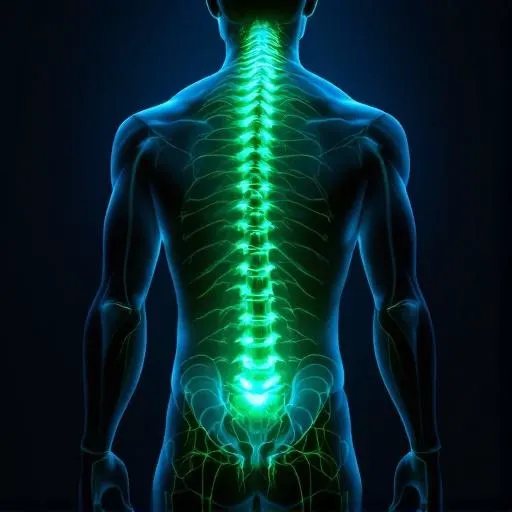
Herniated discs, facet syndrome, spinal stenosis, degenerative disc disease, and nerve root compression each have a structural component that OMT can address directly. For radiculopathy, OMT is used as an adjunct — reducing mechanical load on an irritated nerve root while the underlying pathology is managed. Dr. Knopp's electrodiagnostic training allows him to confirm nerve involvement with precision before designing a treatment plan.
Back pain and spinal conditions
03

Joint Dysfunction

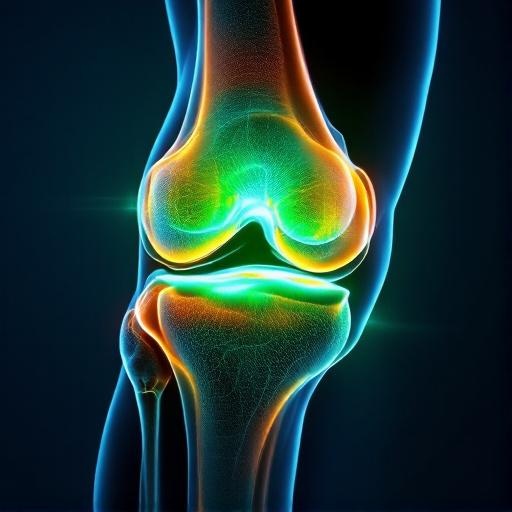
Hip, knee, shoulder, and sacroiliac joint restrictions are evaluated in context — not as isolated structures, but as components of a kinetic chain. OMT identifies what's restricting motion, what compensatory patterns have developed around that restriction, and works to restore normal joint mechanics. Point-of-care ultrasound allows Dr. Knopp to visualize soft tissue structures in real time when the clinical picture warrants it.
Joint dysfunction and restricted motion
04

Cervicogenic Headache & Post-Concussion Sequelae

Headaches originating from cervical spine dysfunction — and the somatic symptoms that persist after concussion — respond well to OMT when cervical and suboccipital tissues are the primary driver. Careful TART examination distinguishes structural from vascular or centrally-mediated headache patterns. For post-concussion patients, OMT addresses fascial restriction and autonomic dysregulation without adding to medication burden.
Cervicogenic headache and post-concussion
05

Sports & Overuse Injuries

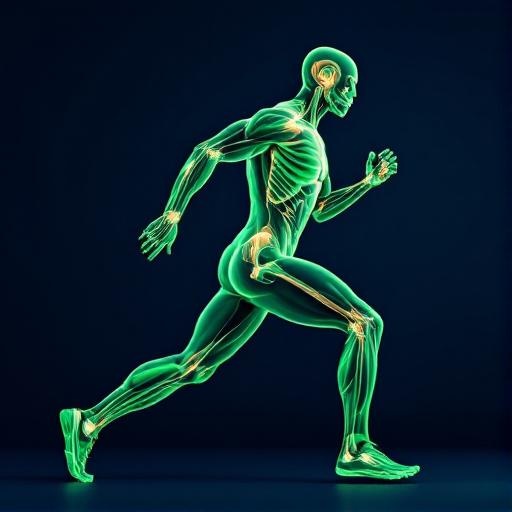
Tendinopathies, muscle strains, IT band syndrome, and repetitive stress injuries have both acute tissue pathology and a compensatory mechanical component. Treating only the inflamed tissue without restoring normal biomechanics leads to recurrence. OMT addresses the load distribution pattern that put the tissue at risk in the first place — while Dr. Knopp's PM&R background informs the functional restoration arc from injury through return to activity.
Sports and overuse injury treatment
06

Myofascial Pain & Chronic Pain Syndromes

Fibromyalgia, myofascial pain syndrome, and chronic regional pain have structural contributors that pharmacological approaches alone do not resolve. OMT provides a non-pharmacological avenue for reducing tissue tension, improving circulation, and down-regulating sensitized pain pathways. For patients managing chronic conditions, OMT fits within a broader strategy — it does not replace other interventions, but can reduce the total dose of everything else required.

Chronic pain and myofascial conditions

How this practice differs

Three categories of provider offer hands-on musculoskeletal care. The differences in training, scope, and clinical authority are significant.

Full medical license & prescriptive authority

Chiropractors are licensed primarily for spinal manipulation. Dr. Knopp holds a full medical license — he can order MRI, CT, and labs, perform and interpret electrodiagnostic studies, use point-of-care ultrasound, prescribe medication, and escalate to interventional procedures when conservative care reaches its ceiling. Manual techniques extend well beyond spinal adjustment across eight modality types and the entire musculoskeletal system.

  • Ordering authority: imaging, labs, electrodiagnostics
  • Prescriptive authority and medication management
  • Point-of-care ultrasound for soft tissue visualization
  • Escalation pathway to interventional procedures

OMT as primary tool, not incidental credential

Fewer than 5% of patients seen by primary care DOs receive OMT in a typical practice. The credential exists on paper; the clinical application rarely follows. Dr. Knopp built this concierge practice specifically around OMT as the primary therapeutic modality, supported by fellowship-level Pain Medicine and PM&R training. This is the work — not an additional service listed alongside annual physicals.

  • 60–90 minute appointments — time to examine and treat
  • Direct contact with Dr. Knopp — no mid-levels, no hand-offs
  • Sub-specialty depth: dual board PM&R + Pain Medicine
  • 25 peer-reviewed publications informing clinical decisions

Scope of this practice: Cupping, dry needling, and metabolic or integrative medicine are outside the scope of this practice. Dr. Knopp's focus is musculoskeletal and pain medicine — applying OMT within the clinical context of a fellowship-trained pain specialist. Patients seeking those services should look for providers credentialed specifically in them.

What to expect

Every appointment is with Dr. Knopp. No intake coordinator, no technician, no mid-level handoff.

1

Initial Evaluation

60–90 minutes. Full medical history, review of prior imaging and records, complete TART examination, and first treatment in the same visit. You leave with a diagnosis and a plan — not a referral.

$450

2

Treatment Course

Acute and subacute conditions typically resolve in 2–5 sessions. Chronic or complex presentations may require 6–12 sessions before the structural pattern stabilizes. Progress is assessed each visit — no predefined packages.

$250 per return visit

3

Escalation When Needed

If OMT reaches its ceiling — or if imaging, electrodiagnostics, or an interventional procedure would improve the outcome — Dr. Knopp can order and coordinate those directly. The concierge model means continuity, not referral into a separate system.

No additional referral cost

Insurance: This is a cash-pay concierge practice. Fees are collected at time of service. Dr. Knopp does not bill insurance directly, but can provide documentation for patients with HSA/FSA accounts or out-of-network reimbursement plans.

Ready to discuss your case?

Contact Dr. Knopp directly to discuss your condition and whether OMT is the right approach. Initial consultations are with the physician — not a scheduling coordinator.

Contact Dr. Knopp Dr. Knopp's credentials